A practical factory guide to textured paperboard selection, dark-stock offset printing, tone-on-tone blind embossing, matte rose-bronze foil, matte lamination, die-cutting and tuck-end forming for masculine fragrance packaging.
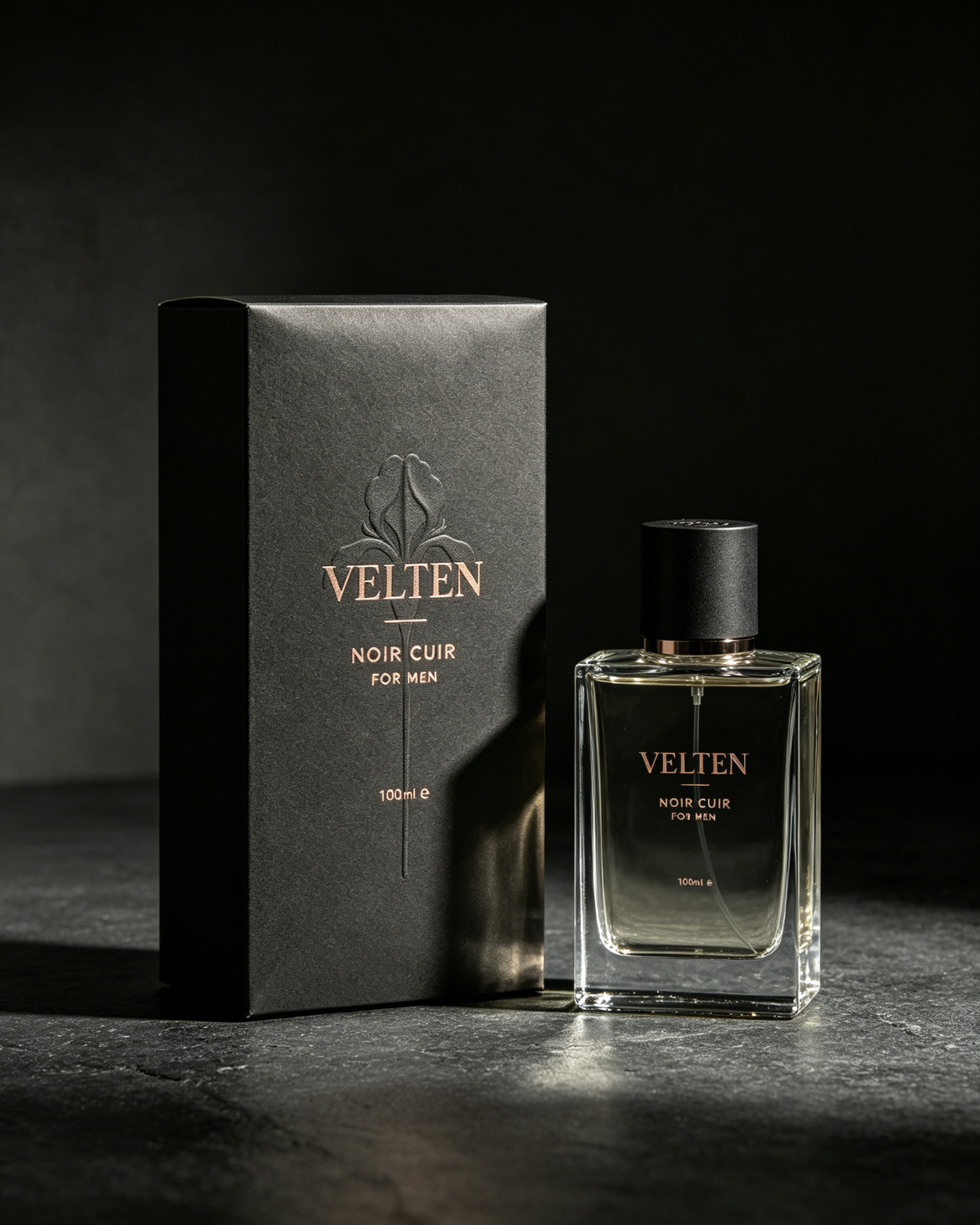
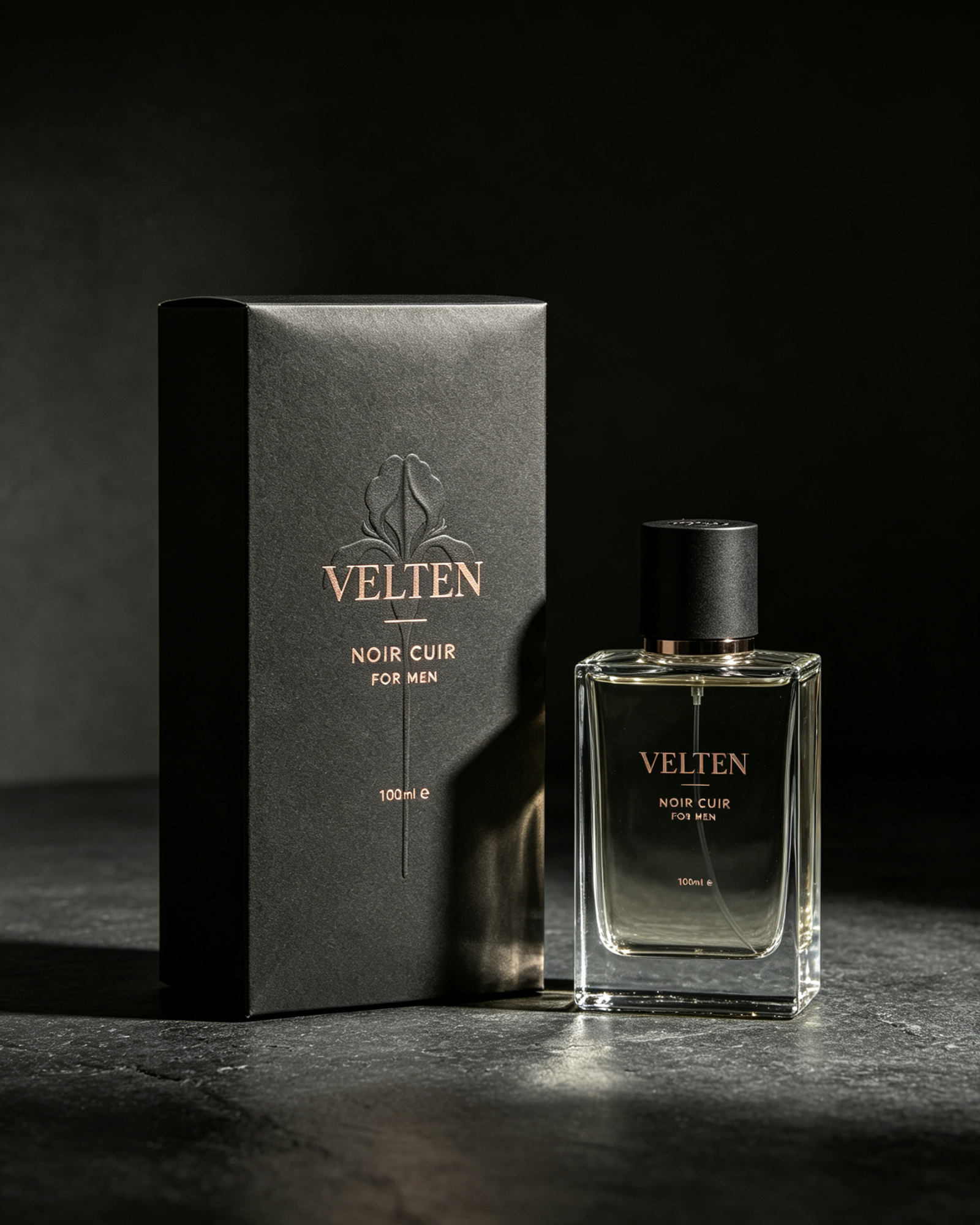
Figure 1. Dark charcoal textured tuck-end folding carton with a tone-on-tone blind-embossed iris emblem and matte rose-bronze foil lettering, shown with its matching clear-glass bottle.
1. Why a Textured Folding Carton Works for Masculine Fragrance Lines
When a fragrance brand evaluates packaging for a masculine line, the conversation often defaults to rigid boxes. But a well-manufactured folding carton can deliver the same shelf presence at a fraction of the unit cost, especially when the stock itself carries tactile interest.
The key phrase is well-manufactured. A folding carton that is die-cut poorly, printed with inconsistent color, or glued with a visible seam reads as cheap. The difference between a discount carton and a premium carton is not the box type. It is the tolerances held during manufacturing.
A dark charcoal gray textured paperboard finished with a tone-on-tone blind-embossed iris emblem and matte rose-bronze foil lettering demonstrates how a folding carton can feel substantial and refined without greyboard construction. The texture scatters light under retail lighting, the inkless emboss adds a quiet tactile layer, and the dark stock creates a masculine, grounded presence on shelf.
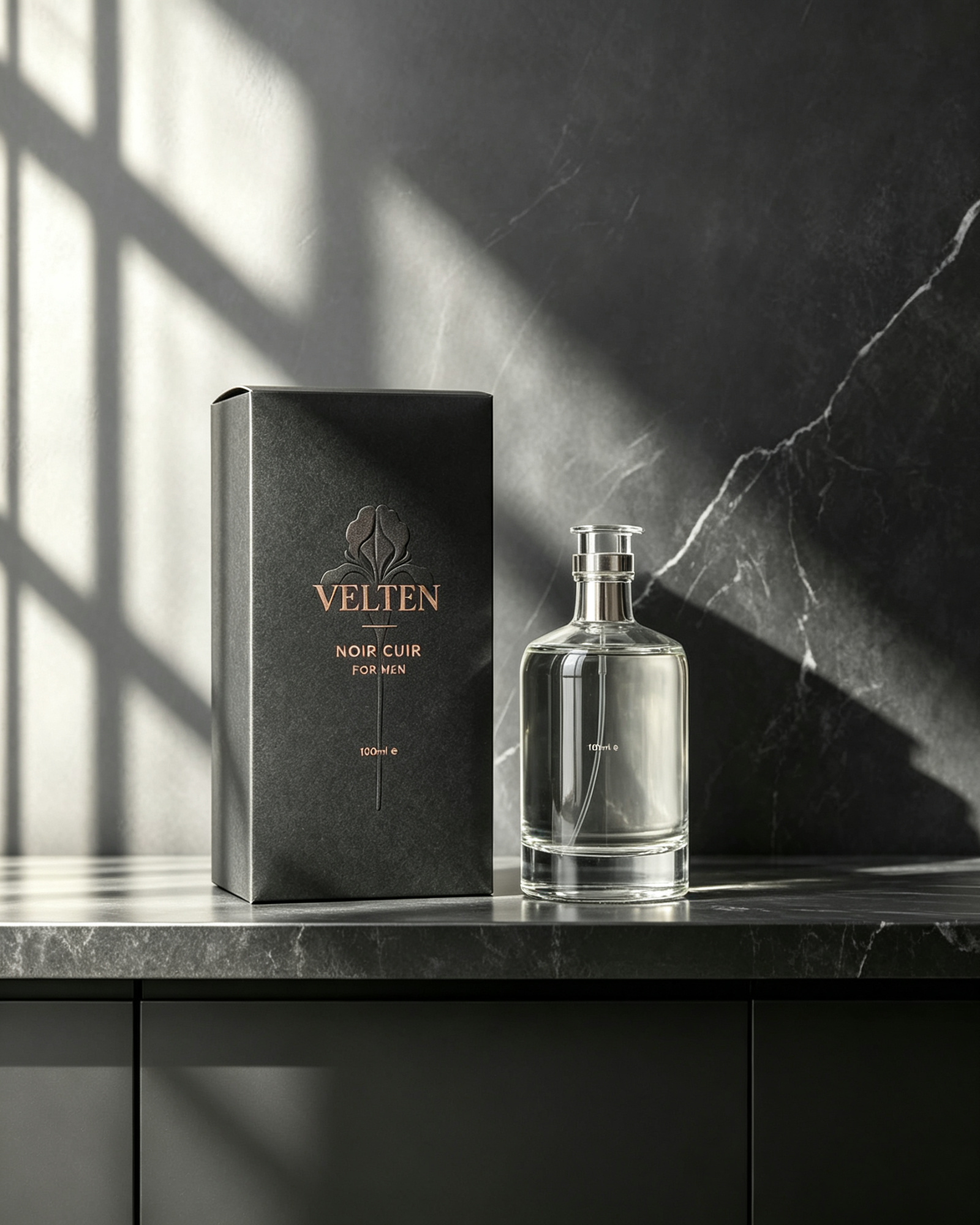
Figure 2. The same carton photographed on dark marble under natural window light, to show real-world shelf presence.
2. Material Selection: Paperboard Grams, Texture and Dark Stock Printing
2.1 Coated Paperboard vs Textured Specialty Stock
Perfume folding cartons typically use 300 to 400 gsm paperboard. For a dark textured finish like the one shown, we recommend 350 to 400 gsm textured specialty paper or coated C2S board with a textured laminate. The higher gram weight gives the closed box a solid feel in hand, while the texture hides minor handling marks.
<!--[if !supportLists]-->· <!--[endif]-->Coated art paper (C2S): smooth surface, excellent color reproduction, the most common choice
<!--[if !supportLists]-->· <!--[endif]-->Ivory board: bright white, rigid feel, good for clean minimalist designs
<!--[if !supportLists]-->· <!--[endif]-->Textured specialty paper: linen, felt or embossed finishes for a premium tactile experience
<!--[if !supportLists]-->· <!--[endif]-->Kraft paper: natural texture, eco-friendly positioning, works for artisan and niche brands
2.2 Printing on Dark Charcoal Stock: Ink Opacity and Color Control
Printing light or metallic ink onto a dark charcoal stock requires an underprint of opaque white or a high-opacity metallic ink base. Without this step, the dark stock shows through and light ink appears muddy. Our prepress team specifies the ink laydown and drying sequence for dark stocks before plates are made, and we verify opacity on the first press sheet before the run proceeds.
3. Offset Printing and Matte Rose-Bronze Foil on Dark Paper
3.1 Spot Color, Hot Foil and Emboss Registration
Nearly all premium perfume cartons are printed using offset lithography. For a matte rose-bronze tone on dark stock, hot foil stamping gives the most controlled matte-metallic result for lettering, while a Pantone metallic spot color is the cost-effective alternative. In this design the iris emblem is blind-embossed with no ink and the text is foil-stamped, so the two processes must register to the same panel within a tight tolerance. CMYK four-color process is reserved for full-color photographic artwork.
3.2 Batch Color Consistency with Spectrodensitometry
Color consistency across production runs is one of the most common pain points for brands working with multiple suppliers. At our factory, every press run is measured with a spectrodensitometer against the signed-off press sheet. Delta E values are tracked, and any sheet exceeding the agreed tolerance is pulled. This means a carton from batch one matches a carton from batch ten thousand.
4. Surface Finishing: Matte Lamination, Blind Embossing and Foil
Surface finishing is where a folding carton transitions from a printed box to a premium package. For a dark charcoal textured carton, we recommend matte or soft-touch lamination overall, which deepens the dark tone and adds a non-reflective feel. Optional upgrades include:
<!--[if !supportLists]-->· <!--[endif]-->Soft-touch (velvet) lamination: luxurious feel, slightly higher cost, very effective for niche brands
<!--[if !supportLists]-->· <!--[endif]-->Blind embossing / debossing: raised or recessed patterns with no ink, a tone-on-tone tactile emblem as used for the iris here
<!--[if !supportLists]-->· <!--[endif]-->Hot stamping (foil): matte gold, silver, rose-gold or bronze foil for lettering and accent lines
<!--[if !supportLists]-->· <!--[endif]-->Spot UV: a clear glossy coating on a specific area for controlled contrast against the matte field
<!--[if !supportLists]-->· <!--[endif]-->Gloss lamination: vibrant colors, durable, more common for mass-market lines
Combining an inkless blind emboss with matte foil on the same panel is a controlled two-pass operation: the emboss die and the foil block are aligned to one registration system so the emblem and the lettering sit exactly where the artwork specifies.
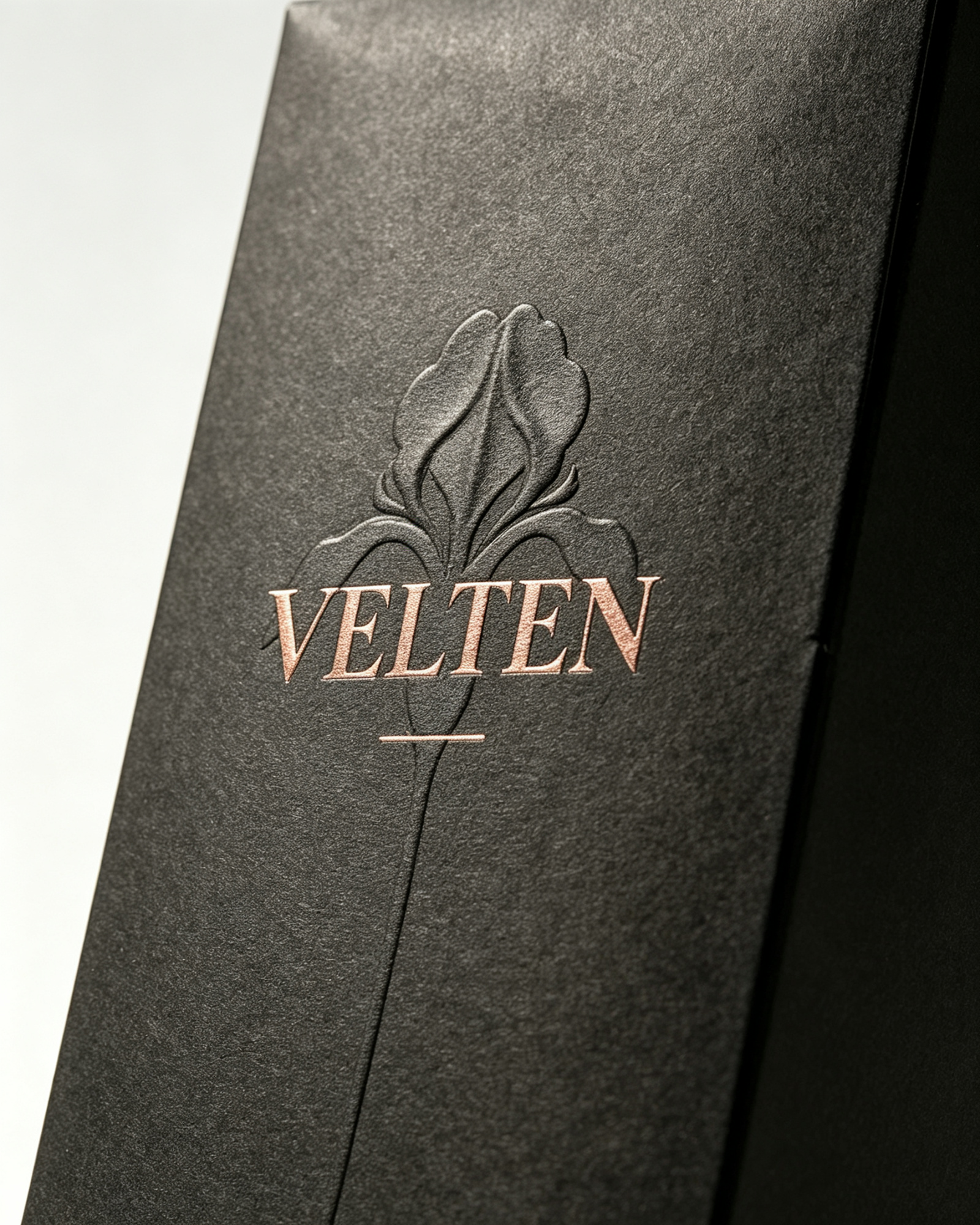
Figure 3. Macro detail: the inkless blind-embossed iris sits beside matte rose-bronze hot-foil lettering on textured soft-touch stock.
5. Structural Forming: Die-Cutting, Creasing, Fold-and-Glue, Tuck Flap
5.1 Die-Cutting and Crease Line Quality
After printing and lamination, the sheet goes to a die-cutting station. A custom steel-rule die cuts the carton blank and scores the crease lines. Crease depth is critical: too shallow and the panel cracks when folded; too deep and the paper weakens and may tear. We verify crease depth on the first blanks and adjust die pressure before the full run.
5.2 Automatic Folder-Gluer and Flush Side Seam
For tuck-end cartons, the side seam (glue flap) is bonded on an automatic folder-gluer line. The glue is applied in a controlled bead, and the seam is pressed and held until the bond sets. A well-made side seam is flush and smooth, with no glue squeeze-out and no visible gap. The seam line should be nearly invisible on the finished box.
5.3 Tuck-Flap Closure and Flat Closed Top
The top and bottom of a tuck-end carton use tuck flaps that fold inside the box. A well-designed tuck flap closes flat and smooth, with no visible gap or step on the closed top surface. The flap should hold securely without tape, and the box should open and close cleanly for the end consumer. We test tuck-flap closure on every production run.
Figure 4. Slight side angle showing thin paperboard construction, a flush same-color glued side seam and a flat closed tuck top beside the matching bottle.
6. Quality Control and Batch Consistency
Quality control at Shenzhen CKT Print Co., Ltd. is not a single final inspection. It is a series of checkpoints throughout the production process:
<!--[if !supportLists]-->· <!--[endif]-->Incoming material: paper weight, color and surface texture verified against the approved sample
<!--[if !supportLists]-->· <!--[endif]-->Printing: color registration, density and Pantone match checked against the signed press sheet
<!--[if !supportLists]-->· <!--[endif]-->Emboss and foil: registration between blind emboss and foil, foil edge quality and rub resistance
<!--[if !supportLists]-->· <!--[endif]-->Die-cutting: dimensions, crease line quality and blank accuracy checked
<!--[if !supportLists]-->· <!--[endif]-->Fold and glue: seam bond strength, box squareness and tuck-flap closure tested
<!--[if !supportLists]-->· <!--[endif]-->Final inspection: visual check for printing defects, scratches, glue marks and deformation
7. OEM / ODM Process, MOQ, Sampling and Lead Time
We work with fragrance brands at every stage, from initial structural design through bulk production. Our OEM and ODM process follows six steps:
<!--[if !supportLists]-->· <!--[endif]-->Step 1 Inquiry and specification: share your bottle dimensions, artwork, quantity and preferred finish
<!--[if !supportLists]-->· <!--[endif]-->Step 2 Quotation and material recommendation: we recommend paperboard gram weight, printing and finishing based on your budget
<!--[if !supportLists]-->· <!--[endif]-->Step 3 Structural design: free dieline creation and 3D mockup for approval
<!--[if !supportLists]-->· <!--[endif]-->Step 4 Sampling: digital or printed sample within 3 to 7 days; physical sample approved before bulk
<!--[if !supportLists]-->· <!--[endif]-->Step 5 Bulk production: 15 to 25 business days after sample approval, depending on quantity and finishing complexity
<!--[if !supportLists]-->· <!--[endif]-->Step 6 QC, packing and shipping: multi-point inspection, export carton packing, FOB CIF DDP shipping
Minimum order quantity starts at 500 pieces for standard structures. For custom dies, emboss tooling and specialty foil, the MOQ may be higher to cover setup costs. Repeat orders use archived dielines and approved press sheets, supporting color and structure consistency from batch one to batch ten thousand.
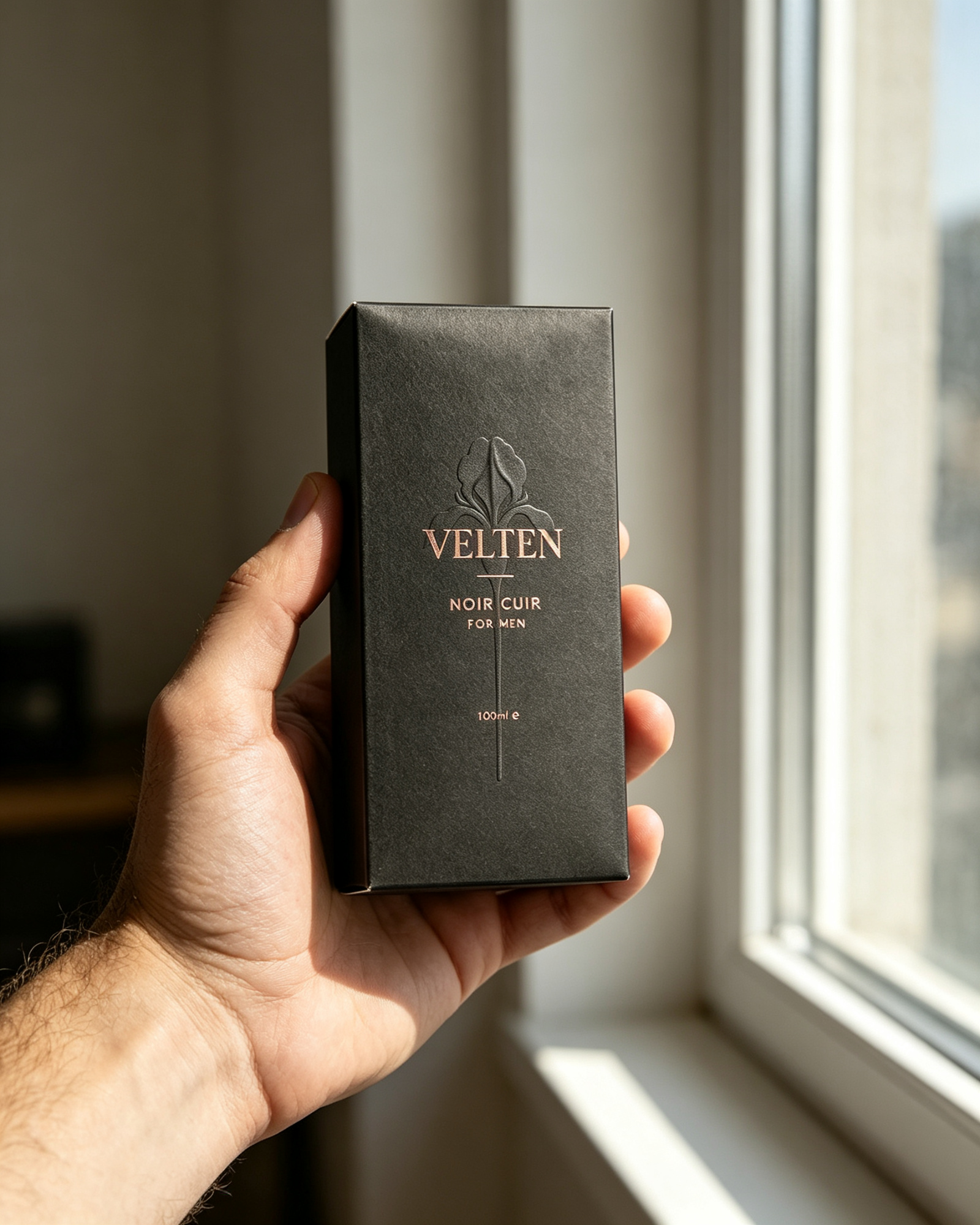
Figure 5. In-hand scale under daylight: the closed carton sits flat and the matte surface reads consistently.
8. Contact Shenzhen CKT Print Co., Ltd.
If you are developing a new fragrance line or re-evaluating your current perfume packaging supplier, we would welcome the opportunity to quote your project. Send us your bottle dimensions, artwork and target quantity, and we will recommend a material, printing and finishing specification matched to your budget and brand positioning.
Contact: Sherry Wu
Mobile / WhatsApp: +86 15815525889
Email: info@cktprint.com
Website: www.cktprint.com
Alibaba Store: https://cktprint.en.alibaba.com/
Factory Address: 2-3F, Building 3, Zhong Xin Industry Area, No.8 Yuhu Road, Fenggang Town, Dongguan City, Guangdong, PRC.


 Your message must be between 20-3,000 characters!