How a Blush Pink Tuck-End Folding Carton Is Manufactured for Perfume Brands
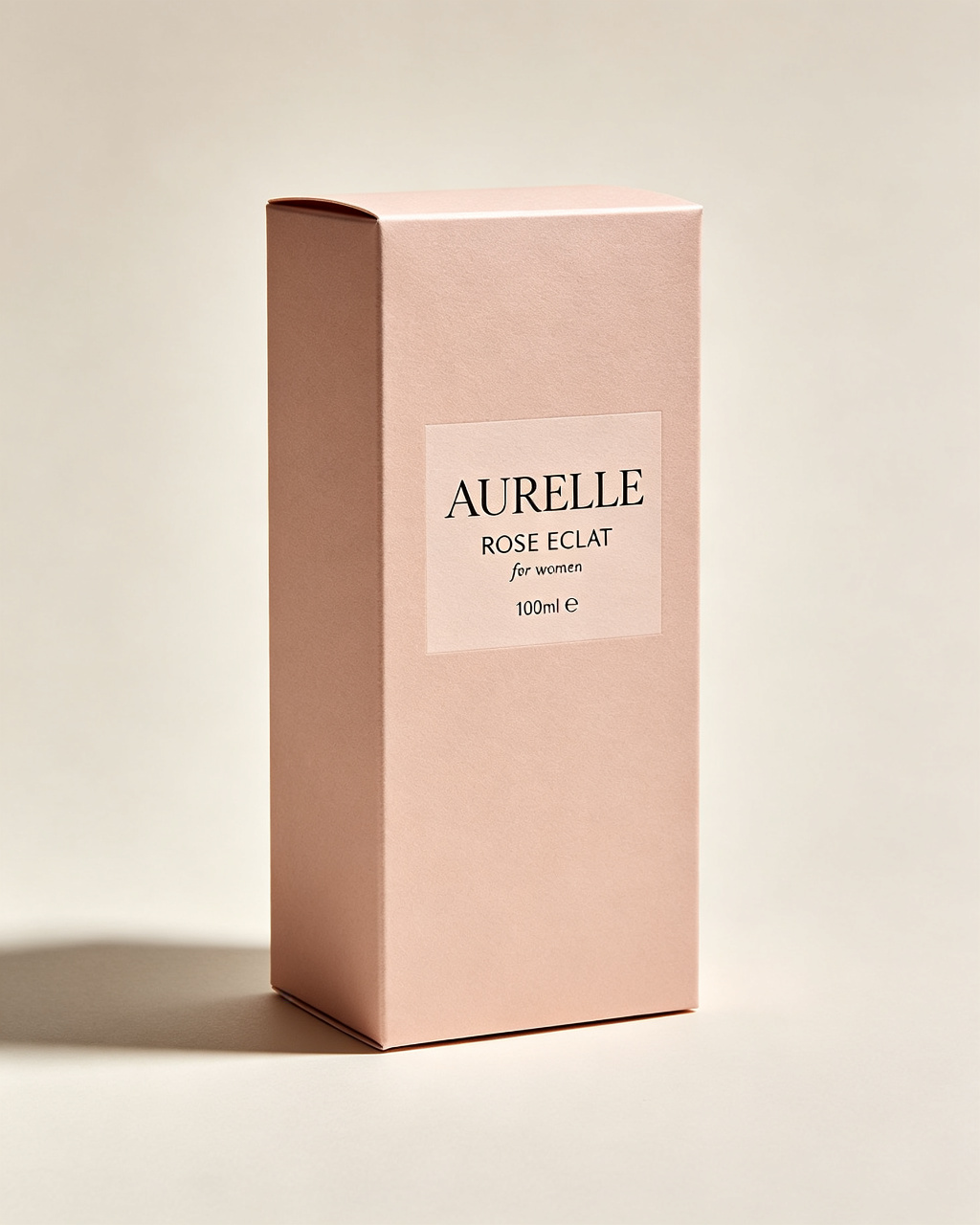
Fig. 1 — Finished blush pink tuck-end folding carton, closed front view (AURELLE / ROSE ÉCLAT)
A perfume box has one job beyond holding a bottle: it has to survive high-volume production, stay identical across every repeat order, and still feel premium on a boutique shelf. For fragrance and beauty brands planning a launch, the question is rarely "can you make this box" — it is "can you keep making it, in large quantities, with the same color and the same structure, order after order." This article walks through how a blush pink tuck-end folding carton is actually manufactured, from paper selection to container loading, and what a brand should look for in a packaging manufacturer before committing to a program.
1. Paper Selection: Why 350gsm Coated Paperboard
The base of this carton is 350gsm coated paperboard. Grammage controls stiffness: at 350gsm the panel holds its shape without feeling heavy, and the coated surface gives the blush nude color a clean, even shade before printing. For a 100ml perfume carton this weight keeps freight economical while still protecting the bottle in transit.
Incoming paper is checked for thickness, moisture and shade consistency. Paper is a natural material; even from the same mill, two rolls can differ slightly. A packaging manufacturer that controls this step controls the biggest variable in color matching later on.
2. Printing: Flat Label Print in Deep Black on a Matte Surface
Fig. 2 — Macro detail of the printed label: black serif text on the blush pink matte surface
The label is printed flat onto the paper surface — no metal nameplate, no applied badge. Four lines of black serif text (brand name, product name, target audience, capacity) are printed in one pass. Flat printing matters for production consistency: there is nothing to assemble, so every carton is identical and the label cannot shift or peel.
Color control is handled with a spectrophotometer on press. The target black is deep and neutral, and registration is checked so the text stays sharp at every crease. For brand work, Pantone spot colors can be matched to the brand book; for this minimalist design, a controlled process black keeps reproduction stable across runs.
3. Surface Finish: Matte Lamination for a Soft, Premium Feel
After printing, the sheet is laminated with a matte film. Matte lamination serves two purposes: it protects the ink and paper from scuffing, and it removes glare so the blush tone reads as soft and expensive under retail lighting. The lamination is applied evenly across the whole sheet before die-cutting; a good lamination job shows no bubbles, no edge lifting and no visible change in color density after it dries.
4. Structure Forming: Die-Cutting, Creasing, Folding and Gluing
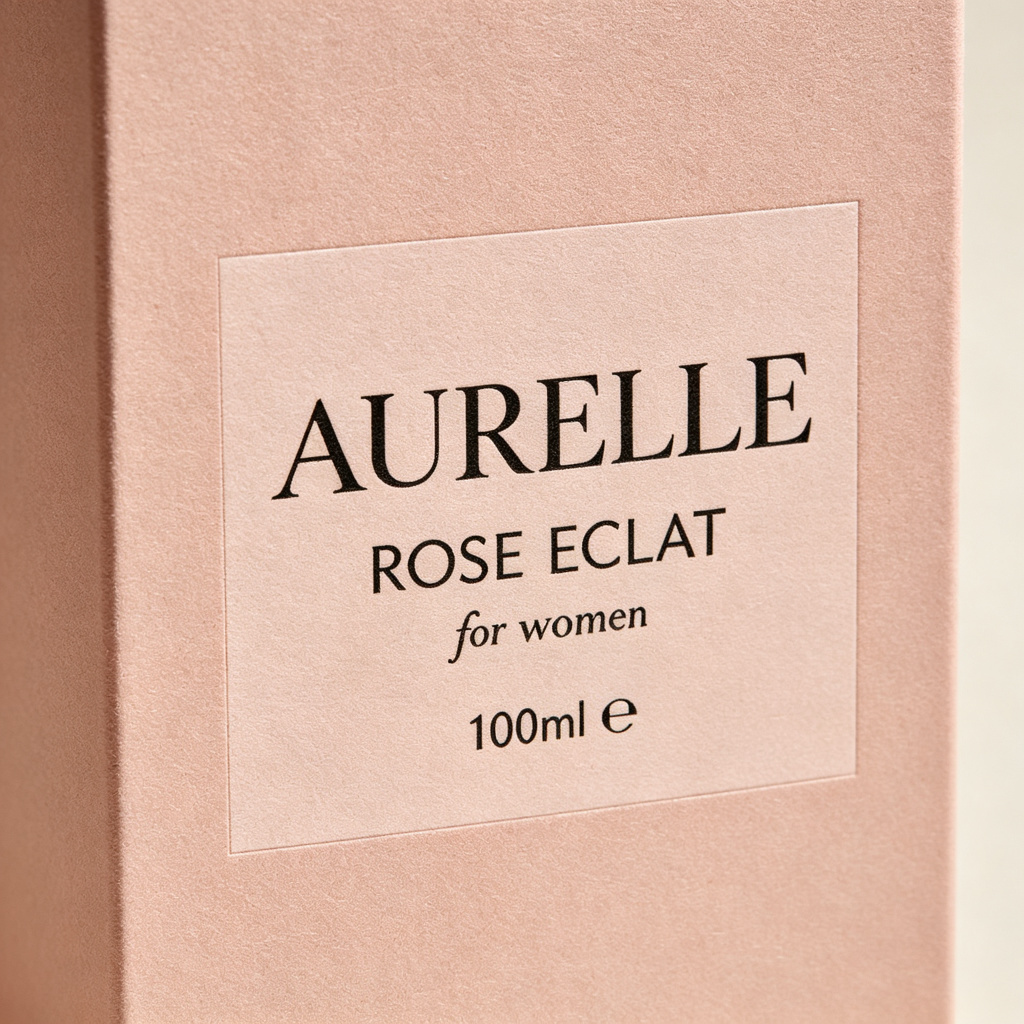
Fig. 3 — Closed top of the tuck-end carton: flat, clean, no visible flap or gap
The tuck-end folding carton is a one-piece structure. A steel-rule die cuts the outline and creases the fold lines in a single press. Crease depth is calibrated so the board folds crisply without cracking the print at the corners.
3.1 The tuck flap
The top tuck flap slides into the front panel to close the carton. When closed, the top is flat and the closure is invisible from the front. This is the key difference from a rigid box: the folding carton is lightweight, ships flat, and is assembled by machine at high speed.
3.2 Fold and glue
The carton is folded and glued on an automatic folder-gluer. Glue is applied to the joint panel in a controlled strip, so the side seam is a clean, flush line of the same color — not a visible groove. Speed and glue temperature are tuned together; too much glue bleeds, too little fails the joint.
4. High-Volume Production: From 500 to 100,000 Pieces
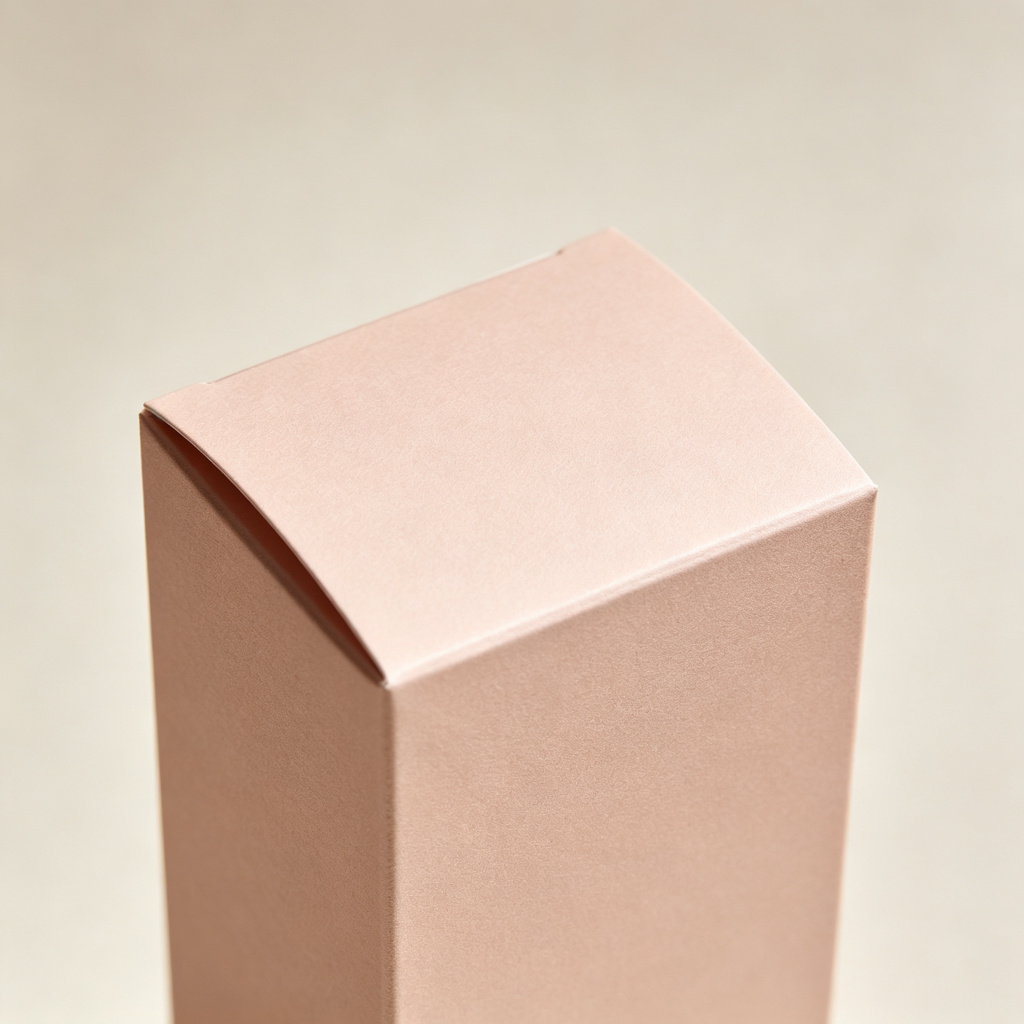
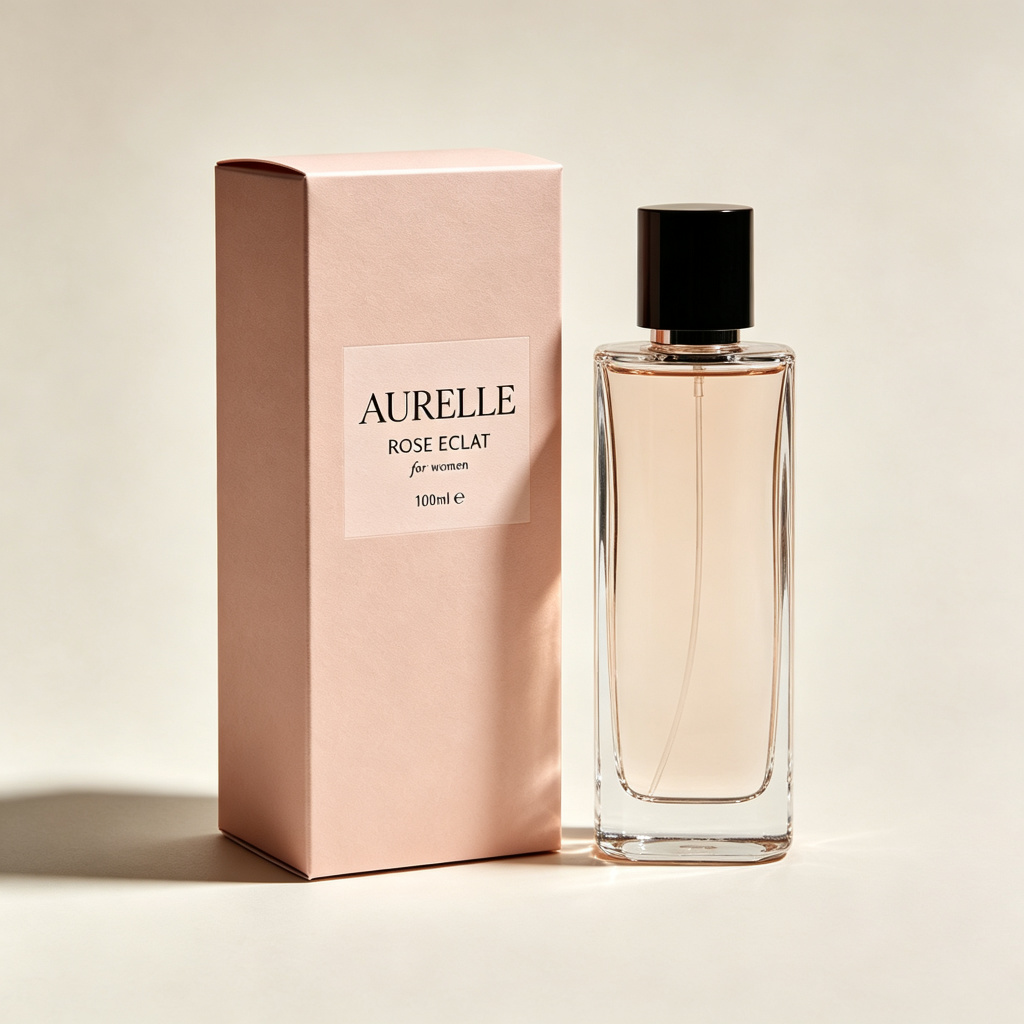
Fig. 4 — Carton with a 100ml glass bottle: bottle height around 85% of the carton, compact fit
This carton is designed for scalable production. Because it ships flat and assembles on automated lines, the same structure runs comfortably from a 500-piece first batch to 100,000-piece repeat orders. Large-scale production depends on planning: paper is ordered to the production schedule, die-cut sheets move through printing and lamination in batches, and multiple SKUs can be produced in one run and packed together for a single container load.
For brands with several products, multiple SKUs share the same paper, ink and tooling where possible. This keeps per-unit cost down and makes repeat orders faster — the die, print plates and color recipes are all kept on file.
5. QC: What Is Checked Before Packing
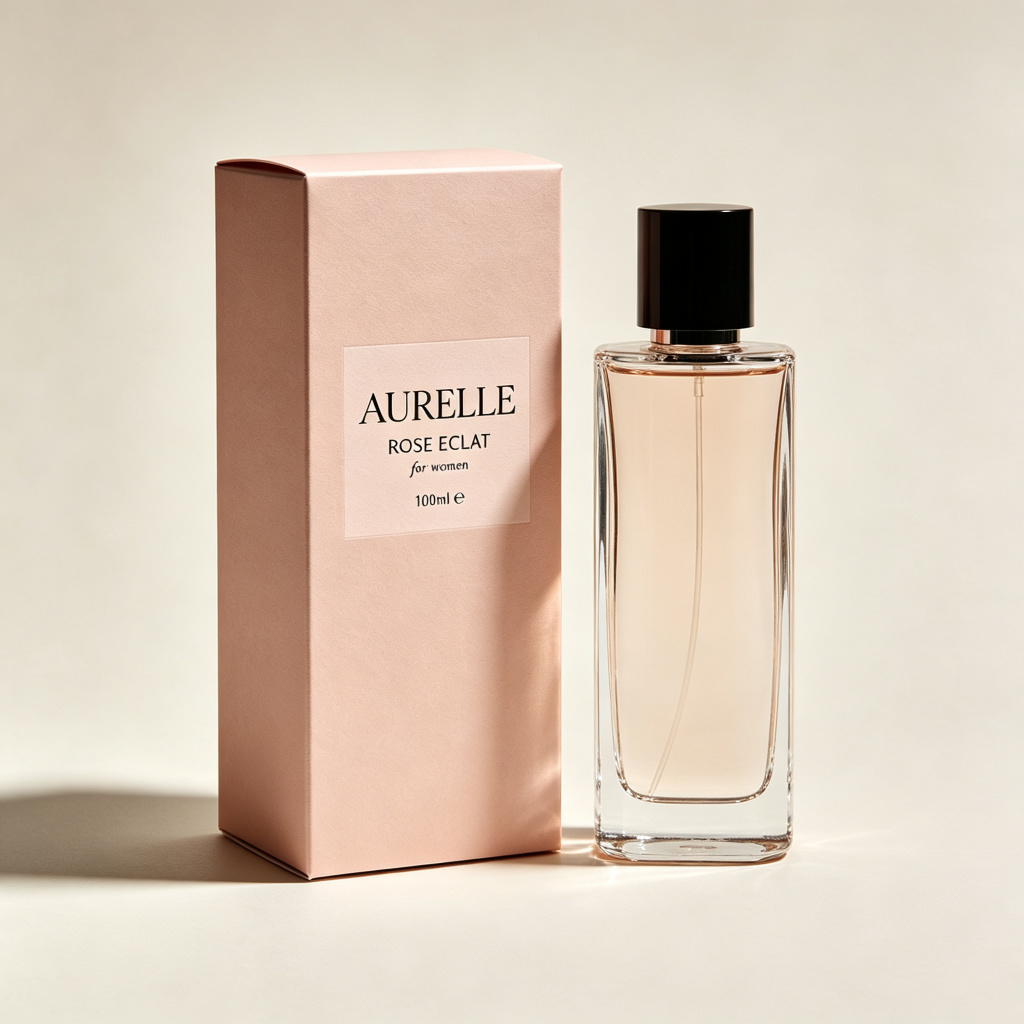
Fig. 5 — Three-quarter view showing the narrow side and closed top
Quality control on this carton covers five checkpoints:
<!--[if !supportLists]-->· <!--[endif]-->Incoming paper: shade, caliper and moisture against spec
<!--[if !supportLists]-->· <!--[endif]-->On-press print: ink density, registration and color against the approved proof (ΔE held tight)
<!--[if !supportLists]-->· <!--[endif]-->Lamination: even coverage, no bubbles or edge lift
<!--[if !supportLists]-->· <!--[endif]-->Die-cutting and folding: crease accuracy, flap fit, glue joint strength
<!--[if !supportLists]-->· <!--[endif]-->Drop and closure test: carton survives transit and closes flat every time
A packaging manufacturer with consistent QC produces repeat orders that match the first sample. That consistency — not a single perfect box — is what a brand actually buys.
6. Packing, Container Loading and Global Shipping
Finished cartons are flat-packed in export cartons for freight efficiency, then loaded into containers by SKU with packing lists and markings. Shenzhen CKT Print Co., Ltd. ships FOB, CIF or DDP to global markets with full export documentation, and can combine several SKUs in one container to reduce freight cost for the buyer.
7. OEM / ODM: From Artwork to Repeat Orders
Shenzhen CKT Print Co., Ltd. is a professional paper packaging manufacturer specializing in custom perfume packaging, cosmetic packaging and premium rigid boxes for global brands. For this tuck-end carton, the OEM / ODM process is:
<!--[if !supportLists]-->· <!--[endif]-->Structure and dimension review with the bottle
<!--[if !supportLists]-->· <!--[endif]-->Artwork proof and color match (flat print, matte lamination)
<!--[if !supportLists]-->· <!--[endif]-->Sample making in 3–7 days
<!--[if !supportLists]-->· <!--[endif]-->Bulk production in 15–25 days depending on quantity
<!--[if !supportLists]-->· <!--[endif]-->QC, flat-pack packing and container loading
The same tooling is stored for repeat production, so a second order is faster and color stays consistent with the first.
Planning a New Packaging Program?
Instead of asking for a simple quote, give the manufacturer the full picture: packaging structure, product dimensions, estimated order quantity, annual volume, number of SKUs, artwork, target market and launch timeline. With that information, a packaging manufacturer can plan tooling, paper, capacity and scheduling from day one — and the price you get is a real program price, not a guess.
Request a Packaging Manufacturing Review from Shenzhen CKT Print Co., Ltd. with those details and we will come back with production planning, a phased timeline and a volume-based quotation.
Contact Shenzhen CKT Print Co., Ltd.
Talk to our packaging team about your perfume or cosmetic carton program — structure, printing, finishing, production capacity and delivery.
Contact: Sherry Wu
Mobile / WhatsApp: +86 15815525889
Email: info@cktprint.com
Website: www.cktprint.com
Alibaba Store: https://cktprint.en.alibaba.com/
Factory Address: 2-3F, Building 3, Zhong Xin Industry Area, No.8 Yuhu Road, Fenggang Town, Dongguan City, Guangdong, PRC.


 Your message must be between 20-3,000 characters!